Belmont Park garden maintenance guides from local gardeners
If you live near Belmont Park, you already know the garden can turn from calm and tidy to a bit wild after only a couple of wet weeks. Borders flop, lawns thin out, hedges start creeping, and suddenly the whole place feels harder to manage than it should. That is where Belmont Park garden maintenance guides from local gardeners become genuinely useful: not as generic advice, but as practical, local guidance shaped by real conditions, real soil, and real day-to-day routines.
This guide brings together the kind of steady, common-sense advice local gardeners tend to give when they are looking at a garden in Belmont Park and saying, "right, let's sort the easy wins first." You will find seasonal maintenance steps, common mistakes to avoid, tool advice, compliance notes, and a realistic way to think about what should be done weekly, monthly, and across the year.
In other words: less guesswork, fewer wasted weekends, and a garden that is easier to live with. That sounds better already, doesn't it?
Table of Contents
- Why Belmont Park garden maintenance guides from local gardeners matters
- How Belmont Park garden maintenance guides from local gardeners works
- Key benefits and practical advantages
- Who this is for and when it makes sense
- Step-by-step guidance
- Expert tips for better results
- Common mistakes to avoid
- Tools, resources and recommendations
- Law, compliance, standards, or best practice
- Options, methods, or comparison table
- Case study or real-world example
- Practical checklist
- Conclusion
- Frequently asked questions
Why Belmont Park garden maintenance guides from local gardeners Matters
Local gardening guidance matters because gardens are not all maintained in the same way. A north-facing front garden with compacted soil, a shaded back lawn, and a windy corner by a fence all need different care. In Belmont Park, that difference really shows up across the year. A one-size-fits-all checklist can miss the small details that make a garden look healthy rather than merely "cut back."
Local gardeners notice the practical stuff first. They see how quickly moss builds in shaded areas, how leaves collect in beds, how fast hedges push out new growth, and which plants cope well with the weather patterns they keep seeing. That experience is useful because it stops maintenance becoming random. You are not just mowing or trimming because it is Tuesday. You are maintaining the garden in a way that supports growth, prevents damage, and keeps work manageable.
There is also a bigger reason. A neglected garden can create knock-on issues: slippery paths, blocked drainage, pests in overgrown corners, and plants that struggle because no one has thinned or fed them properly. The garden starts asking for more work later. Truth be told, that is usually when people realise they needed a plan months ago.
If you want a broader view of routine upkeep, the garden maintenance service overview is a useful place to understand what ongoing care normally covers. For larger tidying jobs, the garden clearance service can also be relevant when a space has gone beyond simple upkeep.
How Belmont Park garden maintenance guides from local gardeners Works
At its best, garden maintenance is a rhythm. You inspect, clear, cut, feed, and adjust. Then you repeat that rhythm with the seasons. Local gardeners usually break it into three layers:
- Regular upkeep: mowing, edging, weeding, deadheading, sweeping, and watering when needed.
- Seasonal jobs: pruning, hedge shaping, leaf clearance, scarifying, mulching, and border refreshes.
- Condition-based work: treating patchy lawns, reducing overgrowth, restoring a neglected bed, or handling storm damage.
The main idea is not to do everything at once. Small, consistent action keeps the garden in shape. For example, a lawn that is cut regularly and edged cleanly looks cared for even if the planting is simple. A hedge that is trimmed before it becomes unruly is far easier to manage than one that has turned into a wall of woody growth. That applies across most gardens, really.
Many local gardeners also think in terms of access and safety. If a path is covered in wet leaves, if branches are hanging low, or if a deck area needs clearing before a family gathering, maintenance stops being cosmetic and becomes practical. That is where services like regular lawn mowing, hedge trimming, and tree lopping and removal may sit alongside routine garden care.
Key Benefits and Practical Advantages
A well-maintained garden gives you more than a neat view from the kitchen window. It changes how the space works day to day.
- Better plant health: thinning, pruning, and feeding help plants grow in a more balanced way.
- Less long-term work: a little maintenance now usually means less recovery work later.
- Improved safety: tidy paths, controlled growth, and clear edges reduce trip and slip risks.
- More usable space: lawns, patios, and borders feel bigger when they are not crowded by overgrowth.
- Stronger kerb appeal: a neat front garden makes a property feel looked after straight away.
- Better seasonal resilience: gardens that are maintained regularly cope better with wind, rain, heat, and frost.
There is a quieter benefit too: the garden becomes less mentally exhausting. You stop dreading the weekend job list. Instead, you keep on top of it in manageable chunks. That is a relief most people only appreciate after the first proper tidy-up.
If you are planning broader improvements as part of maintenance, it can help to look at landscape gardening or landscaping where a layout change would make future upkeep easier. Sometimes the smartest maintenance move is design, not just labour.
Who This Is For and When It Makes Sense
This kind of guidance is for anyone who wants a healthier, easier garden without wasting time or money. That includes homeowners, landlords, tenants with gardening responsibilities, older residents who want practical low-effort systems, and busy families trying to keep the outdoor space usable.
It also makes sense when your garden is not quite neglected, but not quite under control either. That awkward middle ground is common. The grass is okay, but patchy. The hedge is fine, but uneven. The beds are planted, but weeds keep returning. You know the feeling. It is not a disaster, just a creeping "must sort that soon."
Local maintenance guidance is especially helpful if your garden has:
- heavy shade or damp patches
- small lawns that need precision rather than brute force
- fast-growing hedges or shrubs
- mixed-use areas with decking, paving, and planting
- older trees that drop leaves, twigs, or sap
- areas that need regular clearing for access or safety
In those situations, a service-led approach can help. A one-off tidy may not be enough, but neither is a full redesign. Sometimes the right answer is steady upkeep with the occasional more targeted visit. If that sounds familiar, the practical breakdown on services overview can help you understand how different outdoor tasks fit together.
Step-by-Step Guidance
Here is the simplest useful version of a local gardener's maintenance routine. Not glamorous, but effective.
- Walk the garden first. Check what has changed since the last visit. Look for weeds, broken stems, blocked paths, dry patches, and overgrown edges.
- Clear the obvious clutter. Remove fallen branches, old pots, dead leaves, and anything sitting on lawn or paving.
- Deal with the lawn. Mow at the correct height for the season, then edge and rake away cuttings if needed. A tidy edge does more for appearance than people expect.
- Trim hedges and shrubs carefully. Don't hack them back all at once unless they genuinely need renovation. Light, regular trimming usually gives a better shape.
- Weed beds and borders. Pull weeds before they seed. If the soil is dry, water lightly first so roots come out more cleanly.
- Refresh the soil surface. Add mulch or compost where appropriate to conserve moisture and reduce future weed growth.
- Check watering needs. Deep watering less often is usually better than a quick splash every day, especially for established plants.
- Review safety and access. Make sure paths are clear, gates open properly, and there are no low branches near walkways.
- Note what needs future attention. Some jobs are not for today. Be honest about that. A small list is better than pretending the problem does not exist.
That final step matters. Good maintenance is partly about knowing when to stop. Gardening can become a weird game of endless perfection if you let it. And let's face it, nobody needs that.
A simple seasonal rhythm
- Spring: tidy winter debris, feed lawns, shape growth, and reset beds.
- Summer: water sensibly, mow regularly, deadhead flowers, and keep on top of weeds.
- Autumn: collect leaves, protect delicate plants, cut back spent growth, and prepare for wet weather.
- Winter: avoid unnecessary disturbance, prune only where appropriate, and keep drainage and access clear.
Expert Tips for Better Results
Local gardeners often do the small things that make the biggest difference.
- Cut less, more often. That applies to lawns, hedges, and even some shrubs. Regular work is kinder to the plant and easier on you.
- Work with the weather, not against it. Wet soil compacts easily. Very hot afternoons can stress plants. Early morning or a mild afternoon is often better.
- Keep blade tools sharp. A clean cut heals better than a torn one. That is true for hedge trimmers and pruners alike.
- Leave the garden a little breathable. Crowded beds look lush for a while, then become a headache. Airflow matters.
- Use mulch with intention. It helps, but only if the bed is already weeded and watered sensibly.
- Don't trim everything into one shape. Different plants need different treatment. A too-uniform garden can look oddly flat.
One practical local insight: if a garden regularly collects leaves or debris from nearby trees, schedule light clearance more often rather than waiting for a huge autumn pile-up. It is a lot easier to work with a thin layer than a damp, heavy mat that smells like a compost heap after rain. Nobody enjoys that job, honestly.
For routine upkeep on paved or structural elements around the garden, decking services can be helpful if boards need attention, while recycling and sustainability is worth considering when you want green waste handled responsibly and with less unnecessary landfill.
Common Mistakes to Avoid
Most garden maintenance problems come from doing too much, too little, or doing it at the wrong time.
- Overcutting hedges and shrubs: if you remove too much in one go, the plant can look bare and struggle to recover evenly.
- Scalping the lawn: mowing too short weakens grass and invites weeds, moss, and dry patches.
- Ignoring edging: messy edges make even a freshly cut lawn look unfinished.
- Letting weeds seed: one overlooked patch can turn into weeks of avoidable work.
- Working on waterlogged ground: foot traffic on soft soil causes compaction and damage.
- Using the wrong tool for the job: hedge shears are not a rescue plan for woody branches, and a lawn mower is not a general-purpose shredder. It sounds obvious, but there we are.
- Forgetting disposal: green waste left in piles can smother plants or attract pests.
Another common issue is assuming every garden problem is maintenance. Sometimes the layout itself is the problem. If access is awkward, if a slope is difficult to mow, or if planting beds are in the wrong place, maintenance will always feel harder than it should. In those cases, it may be worth exploring a redesign or more durable hard landscaping through landscaping.
Tools, Resources and Recommendations
You do not need a shed full of fancy equipment. You need reliable basics and a sensible routine.
| Tool / Resource | Best for | Why it helps |
|---|---|---|
| Lawn mower | Grass maintenance | Keeps the lawn even and manageable when used regularly |
| Secateurs | Small pruning jobs | Gives a cleaner cut on stems and light growth |
| Hedge trimmer | Formal hedges and shrubs | Makes shaping quicker and more consistent |
| Leaf rake | Autumn cleanup | Removes debris without damaging softer plants |
| Spade or hand trowel | Planting and edging | Useful for beds, borders, and small repairs |
| Gloves and sturdy footwear | General maintenance | Simple protection, especially around thorny or slippery areas |
Beyond tools, the most useful resource is a maintenance calendar. Nothing complicated. Just a month-by-month list of what needs attention. Even a handwritten note on the fridge can save you from forgetting hedge shaping or spring feeding until the garden is already sulking.
If your garden has regular grass maintenance needs, the details on lawn mowing can help frame what a proper cut-and-care routine usually involves. And if access around trees is becoming awkward, tree lopping and removal is the kind of specialist work that should be handled carefully rather than improvised.
Law, Compliance, Standards, or Best Practice
For most home gardens, the key point is not complicated law; it is sensible, safe practice. In the UK, gardeners and property owners are generally expected to manage outdoor spaces responsibly, especially where maintenance affects access, neighbours, or safety. That includes being careful with waste handling, avoiding nuisance, and taking care when using powered tools or working at height.
If you are hiring a gardener or a garden maintenance team, it is sensible to ask about insurance, working methods, and how waste is handled. That is not being fussy. It is normal due diligence. A good provider should be comfortable discussing these points plainly. You want a person who knows what they are doing, not someone who says "should be fine" and hopes for the best.
Best practice also means protecting plants, surfaces, and people while work is carried out. That can include:
- using guards and appropriate PPE where needed
- keeping tools maintained and safely stored
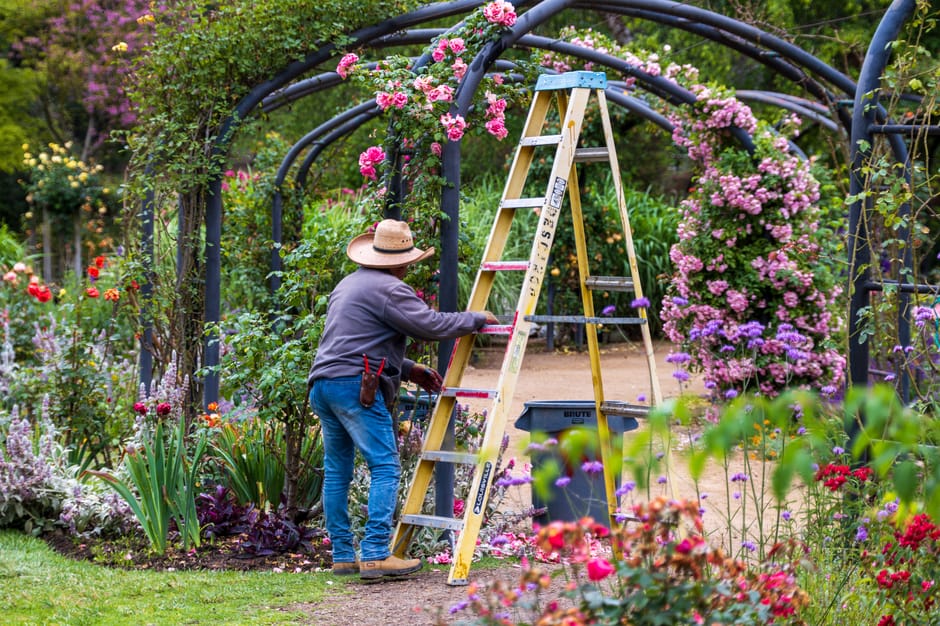
- working with ladder safety and not stretching tasks beyond competence
- checking for hidden hazards in long grass or dense borders
- disposing of green waste responsibly
For more context on how a trustworthy provider approaches safety and standards, you can review health and safety policy information and insurance and safety guidance. If cost is part of your decision, the page on pricing and quotes can help you understand how enquiries are typically handled.
Options, Methods, or Comparison Table
Different gardens need different maintenance styles. The right choice usually depends on time, budget, and how much you want to do yourself.
| Method | Best for | Strengths | Trade-offs |
|---|---|---|---|
| DIY maintenance | Small, simple gardens | Low direct cost, flexible timing | Can become inconsistent, physically tiring, easy to miss seasonal tasks |
| Occasional tidy-ups | Gardens that only drift out of shape now and then | Useful for resets and visible improvements | Does not always prevent future overgrowth |
| Regular maintenance visits | Gardens needing ongoing care | Keeps everything manageable, better long-term consistency | Requires a recurring budget |
| Combined care plus landscaping | Gardens with layout or drainage issues | Solves root causes, not just symptoms | Higher upfront effort |
In plain English: if your garden is small and simple, DIY may be enough. If it keeps slipping back into disorder, regular maintenance is usually the better value. And if the same problems keep returning because the layout is awkward, then a maintenance-only approach may be fighting the wrong battle.
Case Study or Real-World Example
Here is a realistic example drawn from the kind of work local gardeners often handle. A Belmont Park homeowner had a modest back garden: a narrow lawn, two mixed borders, a hedge along the rear fence, and a decking area that had become a dumping ground for leaves and old pots. Nothing dramatic. Just the sort of space that slowly stops feeling pleasant when nobody keeps pace with it.
The first visit focused on clearing the deck, removing dead growth from the borders, and giving the lawn a proper cut without taking too much off. The hedge was trimmed lightly rather than aggressively, because it was still healthy and did not need a hard reset. Weeds were pulled by hand around the border edges, then the beds were mulched to slow regrowth.
What changed most was not just appearance. The garden became easier to maintain. Once the edges were clean and the clutter removed, the owner could keep on top of the space with far less effort. A few weeks later, the same garden looked calmer because the routine had changed. The funny thing is, the biggest improvement often comes from removing friction rather than chasing perfection.
That is why local garden maintenance guidance is so practical. It helps you spot what matters first. Not everything. Just the right things in the right order.
Practical Checklist
Use this checklist as a quick monthly or fortnightly reset. It is simple, but it works.
- Check the lawn for length, moss, bare patches, and uneven growth
- Trim hedge edges before they become hard to correct
- Remove weeds from beds, paths, and fence lines
- Clear leaves, twigs, and other debris
- Inspect paths, steps, and decking for slippery buildup
- Water dry areas properly rather than giving everything a light splash
- Deadhead flowers and cut back spent stems where appropriate
- Look for broken branches or signs of stressed plants
- Make sure bins, tools, and pots are not blocking access
- Book larger tasks before they become urgent
Quick expert summary: the best garden maintenance is steady, seasonal, and slightly boring in the best possible way. It keeps the garden usable, avoids big repair jobs, and makes the whole space feel quietly looked after. That is the real win.
Get a free quote today and see how much you can save.
Conclusion
Belmont Park garden maintenance guides from local gardeners are valuable because they keep things grounded in reality. They are about what your garden actually needs, not what looks good in a generic list. When maintenance is local, practical, and seasonal, it becomes much easier to stay ahead of weeds, overgrowth, and the kind of small issues that turn into bigger ones if left alone.
The best approach is usually a balanced one: know what you can manage yourself, recognise when a job needs specialist care, and keep the garden on a steady rhythm instead of waiting for a full reset every few months. If you do that, the garden stops feeling like a burden and starts feeling like part of the home again. A proper one, with fresh air, soft edges, and room to breathe.
And honestly, that is what most people want from a garden in the first place.
Frequently Asked Questions
What do Belmont Park garden maintenance guides from local gardeners usually cover?
They usually cover lawn care, hedge trimming, weeding, pruning, leaf clearance, seasonal upkeep, and practical advice for keeping the garden tidy without creating more work later.
How often should a garden be maintained in Belmont Park?
It depends on the size and planting, but most gardens benefit from light weekly attention and a more thorough seasonal review. Lawns and hedges usually need more frequent checks during active growing periods.
Is DIY garden maintenance enough for a small garden?
For a simple, small garden, DIY can be enough if you stay consistent. The trouble starts when tasks pile up and the garden gets out of rhythm. Then even a small space can become surprisingly hard work.
When should I book professional garden maintenance instead of doing it myself?
If the garden is becoming hard to manage, if you do not have the time, or if there are larger jobs such as hedge reduction, clearance, or tree work, professional help is often the safer and more efficient option.
What is the difference between garden maintenance and garden clearance?
Garden maintenance is ongoing care: mowing, weeding, trimming, and general upkeep. Garden clearance is a bigger tidy-up job, usually for overgrown, neglected, or cluttered spaces that need a reset first.
What should I do before a local gardener visits?
Clear access if you can, move fragile items, mention any problem areas, and point out anything you do not want touched. A few minutes of preparation can save a lot of back-and-forth later.
Can maintenance help a tired-looking garden recover?
Yes, often very much so. A careful trim, proper weed control, lawn attention, and soil improvement can transform the feel of a garden without needing a full redesign.
Do local gardeners also help with hedges and trees?
They often do, especially for routine hedge trimming and basic tree-related work. More complex or higher-risk work may need specialist handling, particularly where safety is a concern.
What are the biggest mistakes people make with garden maintenance?
The most common mistakes are cutting too much at once, mowing too short, leaving weeds to seed, ignoring edging, and working in bad conditions such as waterlogged ground.
How can I keep maintenance costs under control?
Stay consistent, tackle small jobs early, and combine similar tasks in one visit where possible. It is usually cheaper to maintain a garden well than to fix major neglect later.
What seasonal job is most overlooked?
Leaf clearance and border tidying are often overlooked, especially in damp or shaded areas. Those little jobs matter more than they first appear, particularly after wet weather.
How do I know if my garden needs landscaping rather than maintenance?
If the same problems keep returning because the layout is awkward, drainage is poor, or access is difficult, maintenance alone may not be enough. That is when landscaping or a layout change can make long-term care easier.