Gardening Belmont: Recycling and Sustainability for Greener Gardens
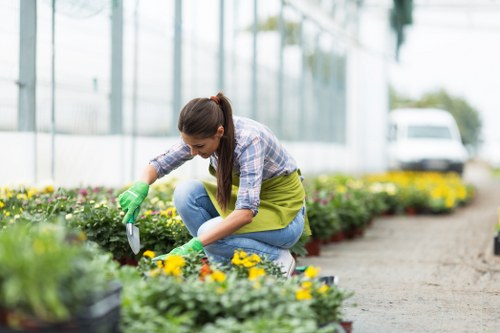 Gardening Belmont is committed to creating an eco-friendly waste disposal area and a robust, sustainable rubbish gardening area that supports local biodiversity and reduces landfill. Our approach balances practical on-site solutions with partnerships across the borough to turn garden waste into valuable resources. From dedicated compost bays to segregated waste streams, we prioritise a circular approach: reuse, recycle, and regenerate.
At the heart of our plan is a clear recycling percentage target: we aim to reach a 70% recycling and diversion rate for garden and green waste within five years. That target covers on-site segregation of green waste, wood, soil and inert materials, plus reprocessing efforts through local transfer stations. To support this, we operate a mixed fleet of low-carbon vans — predominantly electric and hybrid vehicles — for collections and community drop-offs, reducing the carbon footprint of transporting garden refuse and recyclable materials.
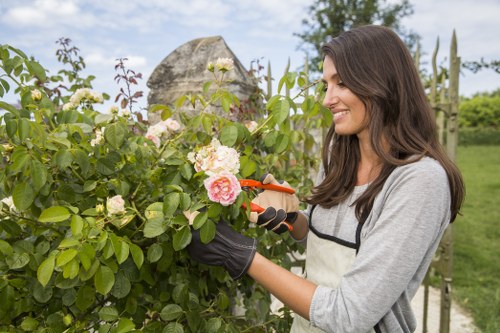 We work within the boroughs' approach to waste separation by encouraging clear streams: green/organic, food, paper/card, glass, metal and plastic. Practical activities that fit Gardening Belmont’s eco model include:
- Kerbside-style segregation at site: separate bins for green waste, woody material and recyclables
- On-site composting and hot compost bays for plant trimmings
- Mulch production and soil regeneration from processed garden refuse
Practical Steps to Build an Eco-Friendly Disposal Area
Creating a sustainable garden waste area means designing clear, safe spaces for material flow. We propose marked bays and covered storage for green waste, sealed containers for contaminated soil, and dedicated palettes for salvageable items. Our sustainable rubbish gardening area model reduces cross-contamination by using colour-coded bins and signage consistent with the boroughs' waste-separation messaging.
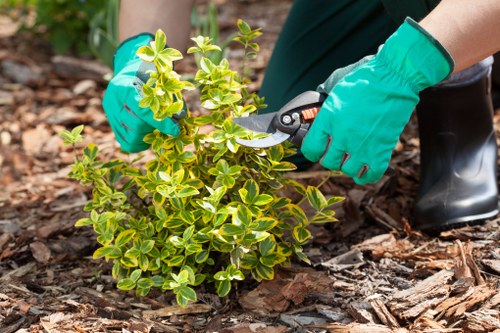 To further reduce embedded carbon, Gardening Belmont prioritises logistics: scheduled collections with low-emission vans, route optimisation and consolidation with community pick-ups. We also encourage residents and volunteers to bring small loads directly to approved local transfer stations or civic amenity sites, supporting a networked approach to waste processing and minimising unnecessary trips.
Central to our strategy is collaboration. We formalise partnerships with charities and social enterprises to divert reusable garden items — pots, tools, soil improvers and plant stock — away from waste streams and back into community use. These charity partnerships amplify social value: donated items support community gardens, schools and neighbourhood green projects, while helping us hit that 70% recycling target.
Partnerships, Transfer Stations and Low-Carbon Logistics
Strengthening local infrastructure is essential. Gardening Belmont works closely with local transfer stations and civic amenity sites to ensure garden refuse is processed correctly: wood to chipping, green waste to composting, and soils remediated when necessary. We also partner with reprocessors who turn wood waste into biomass or mulch, and with municipal programmes that accept cleaned inert materials.
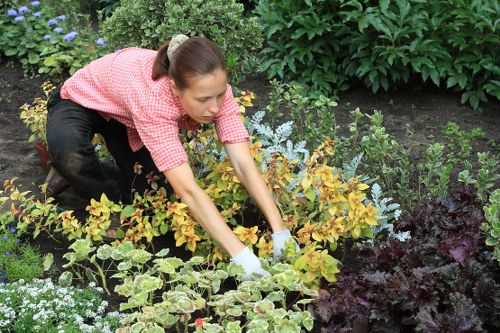 Our operational checklist for a low-impact green waste hub includes:
- Segregated collection points and clear labelling consistent with borough disposal standards
- Designated storage for reclaimed soil and compost, with testing regimes to keep contaminants out
- Transfer station routing agreements to shorten haulage distance and use sustainable reprocessors
 The long-term plan also focuses on measurable outcomes. We will monitor tonnages of diverted material, percentages of recycled garden waste, reductions in vehicle miles from optimised routing, and the volume of items repurposed through charity partnerships. Regular reporting ensures transparency and continuous improvement, enabling us to refine our eco-friendly waste disposal area and sustainable rubbish gardening area over time.
Community engagement is woven through everything we do: volunteer compost days, swap events for excess plants, and neighbourhood rounds for small-scale reuse collections. These activities support the boroughs' separation policies by reducing contamination, improving the quality of collected material, and educating gardeners about best practices.
By integrating on-site composting, partnerships with charities and local transfer stations, and a low-carbon fleet for logistics, Gardening Belmont delivers a practical, resilient approach to green waste. Our sustainable rubbish gardening area not only reduces landfill but also creates local soil resources, supports biodiversity, and strengthens community ties.
We invite neighbours and local groups to join in building a greener future: adapt your garden routines to the boroughs' separation guidance, use designated drop-off points, and support reuse networks. Together we can meet — and exceed — our recycling percentage target and make Gardening Belmont a model of eco-friendly garden waste management and sustainable neighbourhood practice.